
Stop Doing Cardio If You Want to Lose Weight on Keto


- Traditional cardio can hinder weight loss on keto.
- Focus on strength training for better results.
- A balanced approach with intermittent fasting boosts fat loss.
- Monitor diet quality, not just calories burned.
Introduction: The Cardio Conundrum
If you’re on a keto diet, you’re probably familiar with the common advice to pair it with cardio to maximize weight loss. But what if I told you that this could actually be counterproductive? While cardio has its benefits, it may not be the silver bullet for weight loss you think it is, especially on a ketogenic diet.

This article dives into why relying solely on cardio might hinder your progress and what you should focus on instead.
Why Cardio Might Be Holding You Back
The concept of ‘calories in, calories out’ is deeply rooted in the fitness industry, but it’s often oversimplified. When you engage in long, steady-state cardio sessions, your body burns calories, yes, but it doesn’t necessarily target fat stores effectively. In fact, prolonged cardio can lead to muscle loss, which reduces your resting metabolic rate.



To add to this, cardio can increase appetite, leading many to consume more calories post-workout than they burned during the session. This negates the caloric deficit needed to lose weight, making it more challenging to achieve your goals on keto.
The Rise of Strength Training
Strength training is the unsung hero of weight loss, especially on a keto diet. It not only helps burn calories during workouts but also builds lean muscle. More muscle means a higher resting metabolic rate, which translates to more calories burned at rest.

Studies have shown that combining strength training with a low-carb or keto diet can lead to greater fat loss and better body composition than cardio alone. You’re not just losing weight; you’re improving the quality of your body by cutting fat and building muscle.
Intermittent Fasting: The Perfect Companion
Integrating intermittent fasting with your keto diet is a strategic move. It enhances your body’s ability to burn fat and can prevent the muscle loss associated with long cardio sessions. Fasting keeps insulin levels low, allowing your body to tap into fat stores more efficiently.
By focusing on when you eat rather than what you eat, intermittent fasting can help regulate your appetite and reduce the overconsumption that might follow cardio workouts. Pairing this with strength training can amplify your results, making your weight loss journey more effective and sustainable.
Quality Over Quantity
When it comes to weight loss on keto, the quality of your diet is more critical than the sheer number of calories burned through exercise. Prioritize nutrient-dense foods and maintain a balanced approach with your workouts.
Power up your routine with strength training sessions 3-4 times a week and incorporate intermittent fasting to maximize your results. This balanced approach not only aids in weight loss but also enhances overall health and well-being.
Product Recommendation
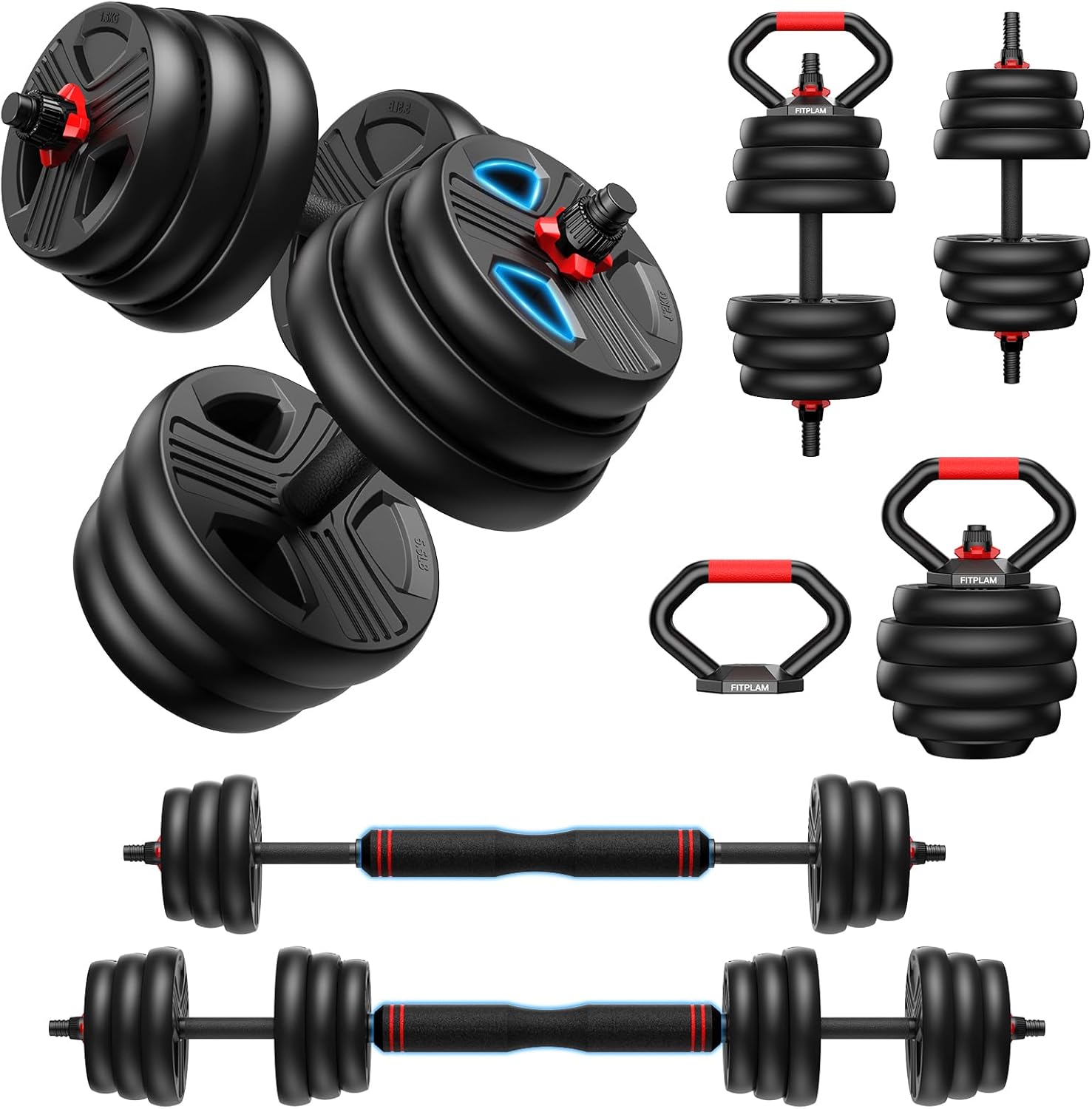
To support your strength training efforts, consider investing in a pair of adjustable dumbbells. They offer flexibility and convenience for home workouts, allowing you to progressively increase resistance and build muscle effectively.
Frequently Asked Questions
Meal Prep & Supplement Essentials
Disclosure: This post contains affiliate links. We may earn a commission at no extra cost to you.
